We are currently experiencing temporary technical issues with our phone lines. Please contact us at (301) 310-6806.
We apologize for any inconvenience.
We apologize for any inconvenience.

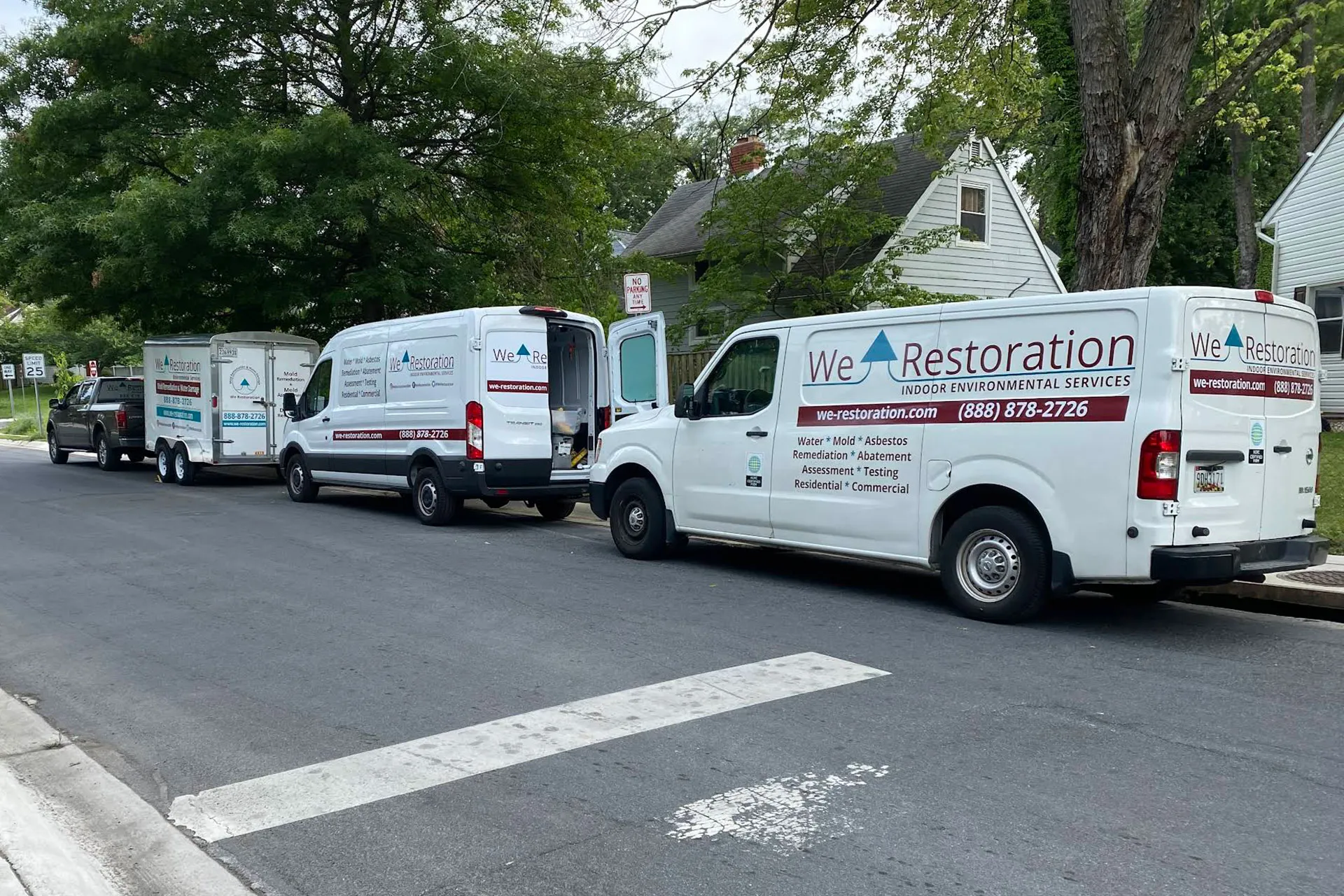
If your Ellicott City, Maryland, home has an unchecked source of moisture, it may take as little as a few days for mold growth to take hold. A professional mold testing and mold remediation company, such as We Restoration, can help you fix the problem before further damage occurs and your home loses value. Routine mold exposure can also cause a variety of health complications, some of which are severe. These reasons make it vital to address mold promptly and effectively.
Mold remediation can be a complex task because even small amounts of exposure to open air can cause health issues for residents of the home. This is especially true of more dangerous varieties of mold, such as black mold. It’s important to hire a professional mold remediation company, such as We Restoration, that can handle mold removal.
If you’ve spotted mold in your home, consider starting with these simple steps:
A professional mold inspection helps determine where mold growth is occurring and what conditions allowed it to develop. Mold may be hidden inside enclosed areas before visible staining appears. Identifying affected areas and starting mold remediation early can minimize structural damage and prevent contamination from spreading to adjacent sections of the property.
Persistent moisture and humidity contribute to mold growth. These risk factors vary, depending on the property's age and elevation:
In some homes, prolonged humidity can affect drywall, flooring systems, and insulation before visible warning signs appear.
Mold inspections identify moisture sources from storm runoff, basement seepage, and water retention to determine whether mold remediation is necessary. Because many homes in Ellicott City sit on sloped terrain or have partially below-grade spaces, damp conditions may persist within structural components long after water has disappeared.
During an inspection, technicians evaluate areas where water commonly collects after heavy rainfall and exposure to humidity, such as:
In older homes, inspections may also involve assessing stone foundation walls, drainage pathways, and areas where water may enter through gaps in the foundation or retaining walls.
To identify damp materials beneath finished surfaces, We Restoration uses advanced inspection equipment, which may include:
Inspection findings can help determine whether insulation, framing, subflooring, or enclosed wall cavities are affected by water intrusion beyond visibly damaged areas.
Mold testing measures mold spore activity and helps determine whether contamination has impacted indoor air quality. Testing can identify the concentration of airborne spores and detect contamination in areas where visible growth has not yet appeared. We recommend mold testing after sewage backups, plumbing leaks, or unexplained musty odors.
In addition to gaining insight after flooding, roof leaks, or humidity problems, mold testing may be recommended before home renovations, real estate transactions, or occupancy of a property after mold removal or remediation is complete.
Commercial buildings, apartments, and office spaces throughout Howard County may also schedule mold testing if there are concerns about indoor air quality or maintenance issues involving shared ventilation systems. In larger properties, testing can help determine whether contamination is isolated or has spread to other areas. Depending on the situation, mold testing may include the following:
These results help determine the extent of the problem and whether professional mold remediation is necessary. Post-mold removal testing can also verify that affected areas meet health standards and are safe to occupy.
Once you’ve had mold inside your home, you’ll need to stay on the lookout to make sure that it doesn’t recur after mold remediation is complete. Below are some suggestions for thwarting mold growth before it becomes out of control:
If you’re looking for mold removal services in Ellicott City, MD, it’s important to act quickly. You’ll need a company that can offer fast, high-quality services at an affordable price. We Restoration is a privately owned small business with experience in mold remediation. We use high-quality equipment to address the problem at the source, so we can fully restore your home to its pre-mold condition.
We Restoration offers effective mold remediation in Ellicott City, MD. If you’re concerned that your home or commercial property may be experiencing mold growth, contact us today!
Yes. Many older homes in Historic Ellicott City have aging stone foundations and older drainage systems that allow rainwater and runoff to enter enclosed spaces. Moisture may remain trapped beneath finished areas long after the initial water exposure.
Homes built along sloped terrain often have partially below-grade living spaces and finished basements where humidity, storm runoff, and foundation seepage can create damp conditions during Maryland’s wetter seasons.
Yes. A professional mold remediation company can identify issues that may contribute to mold growth after water intrusion, especially in homes with flooded basements or foundation problems.