We are currently experiencing temporary technical issues with our phone lines. Please contact us at (301) 310-6806.
We apologize for any inconvenience.
We apologize for any inconvenience.

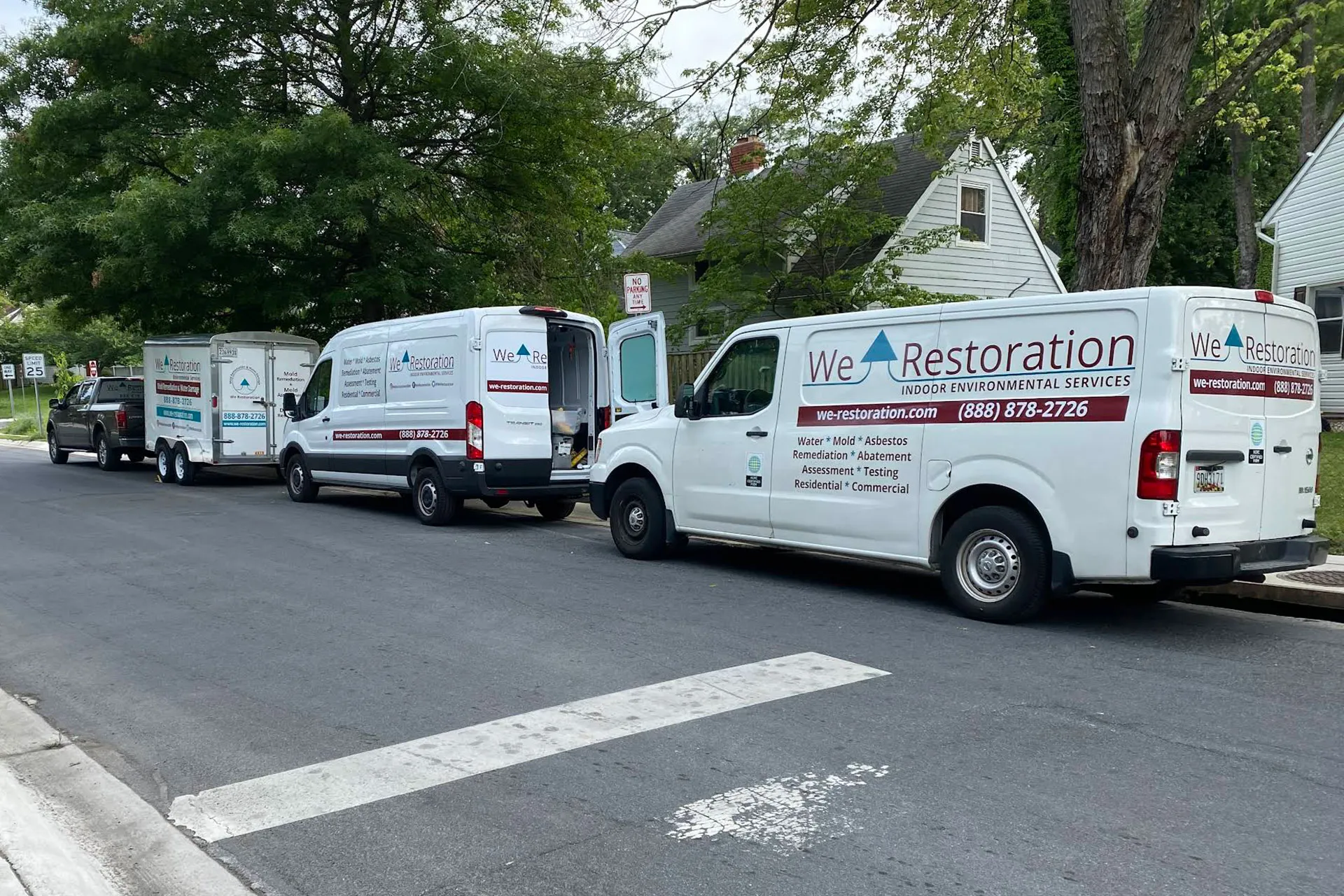
Moisture inside enclosed areas of a property can create conditions that allow mold to grow. Mold growth can occur both indoors and outdoors, but when it occurs in your home, it can pose significant health risks and structural problems. When you suspect mold inside your Bethesda, Maryland, home or commercial property, the best thing you can do is to call a professional mold testing and mold remediation company for prompt restoration.
Mold can come in several different colors, and black mold is often referred to as "toxic mold," although not all black mold produces toxins. It favors dark and damp areas of your residence, such as the basement. Mold can also grow in laundry rooms, storage areas, lower-level offices, mechanical rooms, and spaces affected by pipe leaks, roof leaks, or high humidity.
One of the best things you can do is maintain a dry basement that doesn’t support mold growth. Running a dehumidifier can help remove moisture from the air. But sometimes this step alone is not enough. There are several factors unique to basements that can lead to mold growth, including:
These conditions can affect both finished and unfinished basements. In Montgomery County, lower-level spaces may also experience groundwater intrusion, foundation seepage, and moisture accumulation around plumbing lines or floor joints. Properties near water and heavily treed residential streets may retain moisture longer due to shade and damp landscaping.
While some people are not impacted by the health effects of mold, others are more likely to develop symptoms. Mold exposure can cause a variety of health symptoms in individuals, including:
When these symptoms occur alongside musty odors, water damage, or visible discoloration on walls, you may need mold inspection and testing to detect contamination, assess air quality, and guide the mold removal process.
A professional mold inspection evaluates both affected surfaces and moisture conditions inside the structure before mold removal begins. This process may include moisture readings, thermal imaging, and close examination of areas impacted by plumbing or drainage problems.
During a mold inspection, we may evaluate areas such as:
Mold inspection is especially important after pipe leaks, appliance failures, roof leaks, sump pump issues, or flooding.
Air and surface samples collected during mold testing can be used to determine mold spore concentrations and assess whether connected areas of the structure may be contaminated. Mold testing can also help assess whether mold is contributing to musty odors and may be useful after water damage or when documented results are needed for property evaluation or remediation verification.
If you discover mold in your basement, it’s time to get a professional mold remediation company involved. This way, any materials contaminated with mold can be properly disposed of, and the area can be cleaned and prepared to prevent mold. Proper handling of these materials can significantly affect the health of household members.
Professional mold remediation involves containment, mold removal, cleaning of nearby surfaces, and steps that reduce the spread of spores into adjacent rooms. Precision is especially crucial for condos, townhomes, offices, and mixed-use properties, where mold spores can travel between shared wall cavities and connected HVAC systems.
The mold remediation process typically begins when the customer calls. We will inspect and test the area in order to understand the full scope of the problem. This initial phase determines where mold is present, which materials are affected, and the conditions contributing to its growth.
Next, our expert technicians will work to contain the mold so it does not spread to other areas of the house. We often install HEPA filtration units to purify contaminated air. While essential in every mold remediation project, containment and HEPA filtration are especially important in properties with shared interior spaces, finished lower levels, or shared HVAC systems.
From there, we can focus on removing the mold from your home and cleaning any nearby belongings. Mold removal may include disposing of severely contaminated materials and carefully sanitizing surrounding surfaces and salvageable contents.
Last, before any mold remediation job is complete, we focus on restoring the area to its previous condition. The restoration stage may include replacing materials, thoroughly drying the area, and taking steps to reduce the risk of future mold growth.
When it comes to selecting a mold remediation company in Bethesda, there are a lot of factors to consider. Because mold poses a significant risk, some mold removal companies may try to take advantage of customers by recommending services that aren’t needed in their specific case. At We Restoration, we keep our customers’ best interests in focus and approach every aspect of our work with honesty and integrity.
We are licensed, certified, and insured to perform mold remediation work, and we bring years of professional experience to every project. Our number one concern is restoring your residence to its pre-mold condition.
We Restoration provides mold removal and remediation services throughout Montgomery County. In Bethesda, mold issues may develop in older homes near Downtown Bethesda and Chevy Chase, inside shared walls in condos and townhomes in North Bethesda, and around HVAC equipment in office and medical buildings near Wisconsin Avenue and the NIH and Walter Reed corridors. Our team can identify the source of the problem and perform mold remediation to restore your property.
At We Restoration, we are committed to treating our customers with the utmost respect. We understand that discovering mold in your home can be overwhelming, and we’ll focus on safely removing the mold while restoring the area to its previous condition. If you are looking for an experienced mold testing and mold remediation company in Bethesda, MD, contact us today!
Yes. Water intrusion can leave moisture inside drywall, insulation, and flooring. A mold inspection can detect moisture and determine the level of contamination.
While it is not necessary in every case, mold testing can help evaluate indoor air quality, identify persistent musty odors, and reveal hidden mold growth.
Yes. When mold develops near or inside HVAC components, air can carry spores into other rooms through connected ductwork.
We Restoration serves Bethesda and the surrounding Montgomery County communities, including Downtown Bethesda, Chevy Chase, and North Bethesda.
Mold removal may be needed after basement seepage, pipe leaks, roof leaks, or floods. Addressing the issue early reduces the spread of contamination and prevents further damage.