We are currently experiencing temporary technical issues with our phone lines. Please contact us at (301) 310-6806.
We apologize for any inconvenience.
We apologize for any inconvenience.

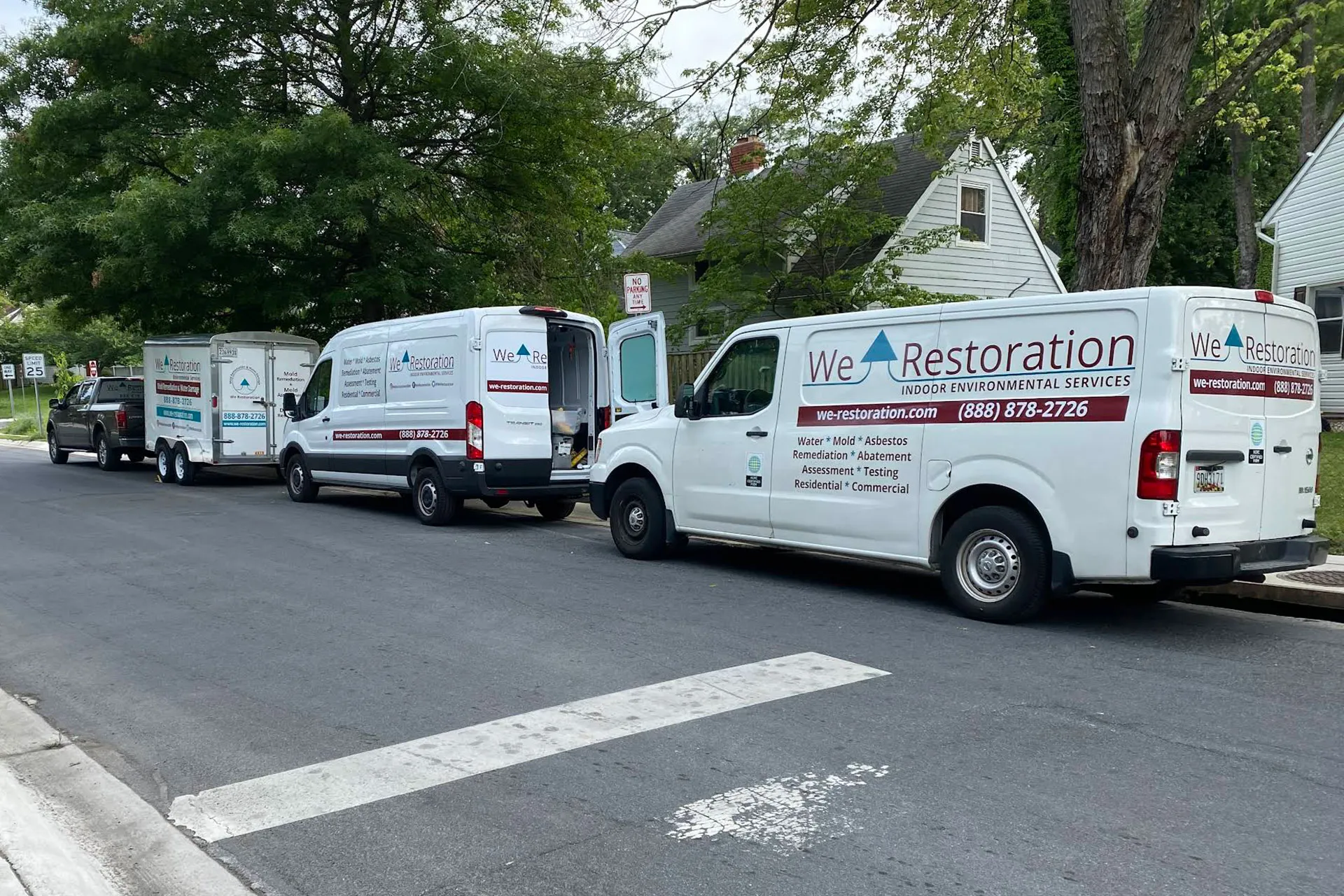
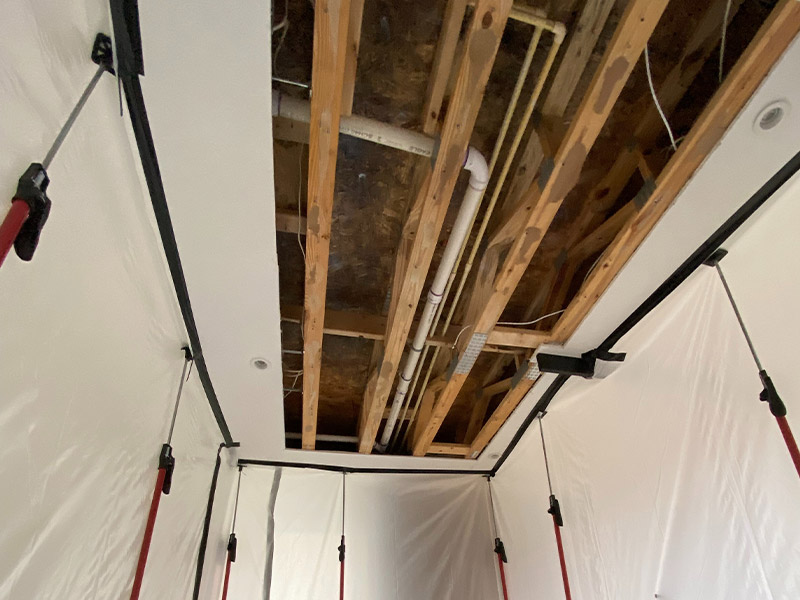
Mold growth can have serious consequences. If you find mold anywhere in your Frederick, Maryland, home or business, We Restoration can help. We are an expert mold remediation company in Frederick County, MD, and our experienced remediation teams serve the communities of Urbana, Frederick, Middletown, Monrovia, and Thurmont. You can trust us to find the source of the problem and perform thorough mold removal and remediation to restore your home to a safe, habitable condition.
It doesn't take much for mold to start growing: just water and the right surface. Water can come in the form of humidity, flooding, or leaks. The right surface is usually wood, boxes, drywall, or other organic material. Virtually any bathroom, garage, basement, attic, or crawlspace is a perfect breeding ground.
Mold damages your home’s structure and is also hazardous to your health. The symptoms related to mold exposure range in severity and may include the following:
Leaving the source of mold growth unaddressed may increase the risk of respiratory irritation and other health concerns as the contamination spreads.
Mold grows in Frederick homes for several reasons. Older homes near downtown Frederick and throughout the Historic District often have stone foundations, unfinished basements, aging plumbing lines, and original masonry that allow rainwater to enter basement walls and lower-level spaces after storms. Rural homes near Thurmont, Myersville, and the Catoctin Mountain area may have crawl spaces that retain moisture after groundwater saturation, heavy rain, and humid summer weather.
Homes throughout Urbana, Ballenger Creek, and Monrovia often have finished basements, enclosed storage rooms, sump pump systems, and lower-level living spaces where poor airflow traps damp air behind drywall and beneath flooring. Professional mold inspection and mold removal can resolve the issue at the source and prevent additional damage.
Mold can spread through porous building materials even when surface staining seems minor. During a professional mold inspection, our technicians identify water damage, assess the level of contamination, and determine whether the structure or HVAC systems are affected. Inspections can also reveal incomplete drying after previous water damage repairs.
Before mold removal, the team at We Restoration evaluates areas where leaks, groundwater seepage, storm runoff, or poor ventilation may trap moisture, such as:
We use non-invasive methods during mold inspections, including infrared imaging and humidity-monitoring equipment, to detect moisture behind walls, underneath floors, and in enclosed areas. These techniques can identify hidden issues without opening sections of drywall or flooring.
Mold testing measures mold spore activity and helps determine whether contamination has reduced indoor air quality. Testing may be recommended before mold removal, after flooding, sewage backups, plumbing leaks, or appliance failures. Some homeowners also schedule mold testing before purchasing a property or starting renovation work.
In commercial buildings, mold testing may help identify mold growth caused by roof leaks, poor airflow through shared ventilation systems, or water damage spreading into neighboring units. If you suspect mold in your Frederick County, MD, property, it's important to consult with an expert to determine the next steps for mold remediation.
Professional mold remediation may include several stages, depending on the extent of contamination and the types of materials involved. Our team follows the steps below during the mold remediation process to restore your home to its previous condition:
If you suspect mold growth in your Frederick County property, We Restoration is the team to trust for thorough inspections, testing, mold removal, and mold remediation services.
We all know the musty, overpowering smell of mold. When the smell is overwhelming, and there is no visual evidence of mold, it's still important to act. Below are a few steps that can help keep you safe from the harmful effects of mold:
Instead, call the mold removal experts at We Restoration, a trusted mold remediation company serving the Urbana, Frederick, Middletown, Monrovia, and Thurmont areas of Frederick County, MD.
When mold is discovered in your Frederick, MD, home, it's critical to act quickly to prevent health problems and structural damage. We Restoration proudly serves the cities of Urbana, Frederick, Middletown, Monrovia, and Thurmont with professional mold remediation and restoration services. We are leaders in mold removal and ready to help you. If you have questions or would like to talk about your situation, contact us today!
Yes. When sump pump systems fail, water can pool in lower-level rooms, unfinished basements, and enclosed foundation spaces before visible mold growth appears.
Mold testing evaluates airborne spore activity, humidity, and contamination levels. Testing may also help determine whether mold spread beyond visibly damaged areas.
Some mold removal and remediation projects require removing drywall, carpeting, insulation, or flooring when mold penetrates finished surfaces. The extent of removal depends on how far the growth has spread.
Yes. Slow plumbing leaks beneath sinks, behind washing machines, around water heaters, or inside wall cavities can keep drywall, insulation, and wood framing damp for long periods, leading to hidden mold growth.