We are currently experiencing temporary technical issues with our phone lines. Please contact us at (301) 310-6806.
We apologize for any inconvenience.
We apologize for any inconvenience.

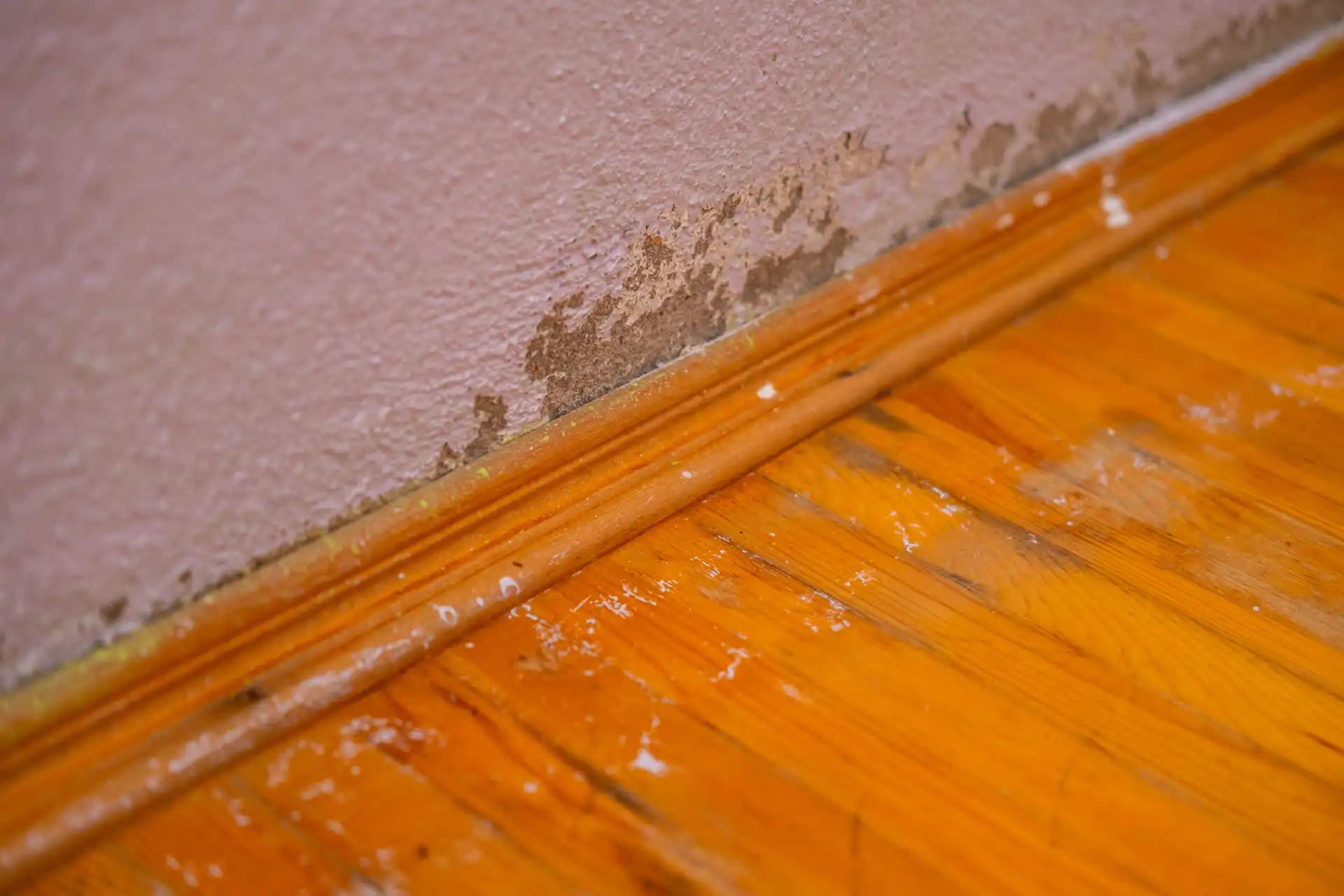
Water damage, mold growth, and moisture problems can look very different from one Washington DC home to another. A small leak behind a wall may cause hidden damage over time, while a burst pipe can affect several rooms in a matter of minutes.
The following theoretical case studies show how common restoration problems can develop and what a professional response may involve. While every property is different, these examples can help homeowners understand what to expect when water or mold damage affects their home.
Before: A Washington DC homeowner returns home to find water spreading across a finished basement after a pipe fails. The carpet is saturated, drywall is wet near the floor, and moisture has reached the baseboards and nearby storage areas.
The immediate concern is stopping the water source and determining how far the moisture has traveled. Even after standing water is removed, porous materials can retain moisture and require further drying.
A professional restoration response may include:
After: Once moisture levels return to acceptable conditions, repairs can begin. Damaged drywall, flooring, or trim can be replaced as needed, allowing the basement to return to a dry, usable condition.
Before: A homeowner notices a persistent musty odor near an upstairs bathroom but cannot see any obvious water damage. Over time, paint begins to bubble along an adjoining wall. An inspection reveals a slow plumbing leak that has allowed moisture to collect behind the drywall.
Because the area remained damp, mold developed inside the wall cavity.
This type of problem requires more than simply cleaning the visible surface. The moisture source must first be corrected. Mold remediation may then involve containment barriers, negative air pressure, HEPA filtration, removal of contaminated materials, and detailed cleaning.
We Restoration follows IICRC S520 standards for mold remediation, helping ensure that affected spaces are handled according to established industry practices.
After: With the leak repaired and contaminated materials removed, the area can be thoroughly cleaned and dried before reconstruction. Correcting the original moisture source also helps reduce the chance of the same mold problem returning.
Before: After a period of heavy rain, a Rockville homeowner notices a faint stain forming on a bedroom ceiling. Further investigation finds that a roof leak has allowed water to enter the attic, dampening insulation and nearby wood materials.
Although only a small ceiling stain is visible, the moisture above it has spread across a larger area.
Professional moisture detection helps determine which materials are wet and whether they can be dried or need to be removed. Addressing the roof leak is also essential before restoration work can be completed successfully.
After: Once the source of the intrusion is repaired, the attic and ceiling area can be dried and monitored. Damaged insulation or drywall can be replaced, helping restore the room while reducing the risk of ongoing moisture problems.
What These Restoration Examples Have in Common
Although each situation begins differently, successful restoration generally depends on the same basic priorities: identify the source, determine the extent of the damage, remove excess water or contamination, thoroughly dry the area, and restore damaged materials when appropriate.
Waiting too long can allow moisture to travel farther or contribute to mold growth. Early professional attention can often make the scope of the restoration easier to manage.
Whether you are dealing with a sudden flood, a hidden leak, or mold caused by long-term moisture, We Restoration can help you understand the damage and develop an appropriate restoration plan. Their team provides professional water damage restoration and mold remediation using established industry standards and proven drying and containment methods.
Contact We Restoration today for restoration services in Washington DC, Rockville, MD, and nearby communities throughout Maryland and Montgomery County.