We are currently experiencing temporary technical issues with our phone lines. Please contact us at (301) 310-6806.
We apologize for any inconvenience.
We apologize for any inconvenience.

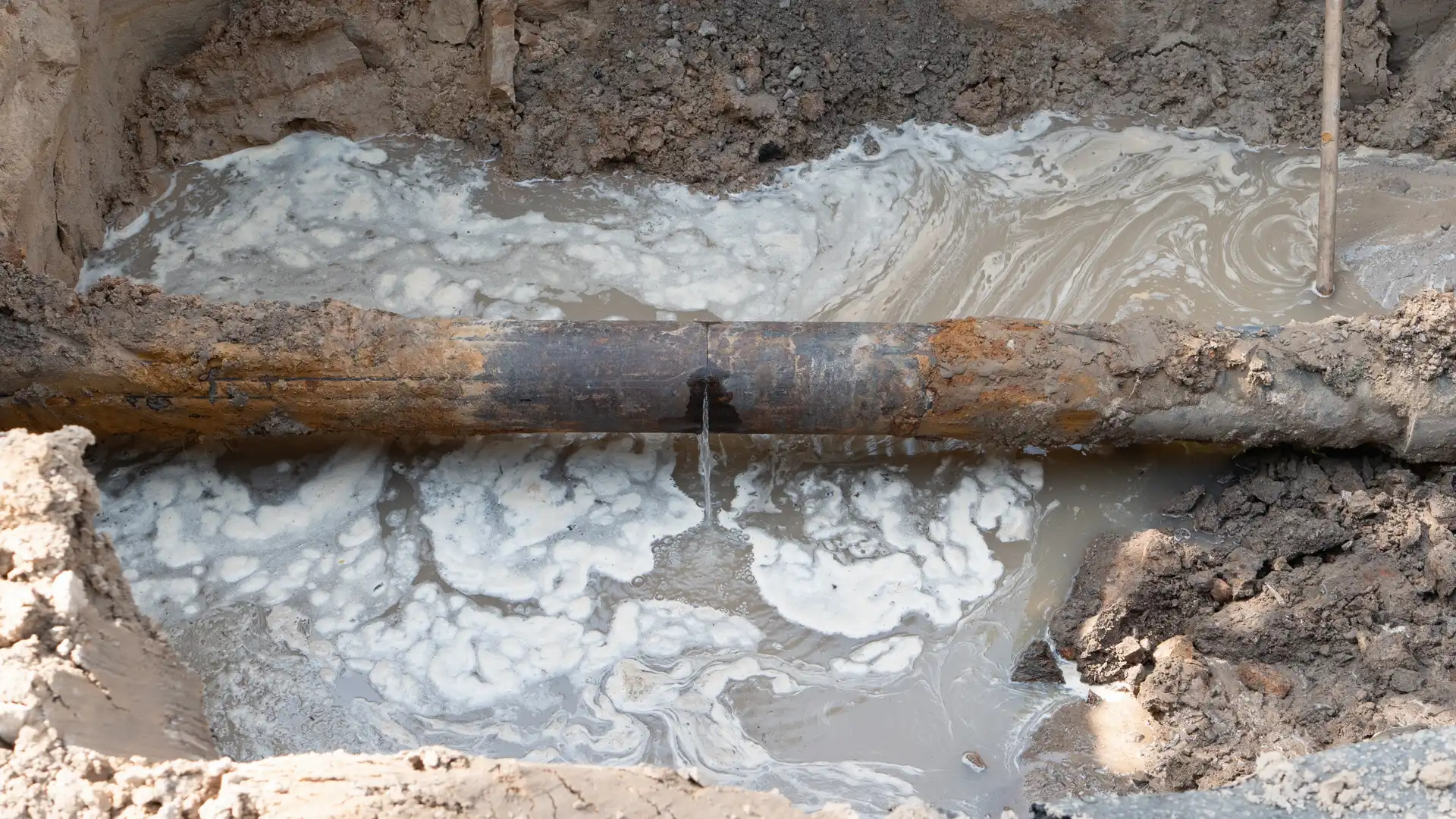
When it comes to plumbing emergencies, sewage backup is one of the most unpleasant, and potentially the most hazardous, issues you could face. In contrast to a typical leak, sewage leakage can contain serious contaminants that pose a major health risk to your property’s inhabitants. Plus, it can result in extensive property damage if the proper steps aren’t taken right away. If you’re in need of sewage backup cleanup in Washington DC, our team at We Restoration is here to help. Below, we’re covering what you need to know when this serious problem arises.
There are several things that can cause a sewage backup, and determining the source of yours is a must if you want to prevent related issues from occurring. Here’s a quick look at some of the most common causes:
It’s important to work quickly if you ever encounter a sewage backup. When sewage enters your property, its effects go well beyond unpleasant odors and residues. Contaminated sewage water can seep into your floors, walls, and furniture, causing extensive structural damage that is costly to repair.
As sewage can contain harmful bacteria, viruses, and chemicals, professional support is a must. Furthermore, improper removal may lay the foundation for the spread of mold.
Here are the steps we recommend you take in the case of sewage backup:
Do not walk through the areas that have been affected by sewage, and make sure your children and pets are kept away from these spaces as well.
Because additional water usage can worsen the backup, make sure you do not flush the toilet, use the sink, or turn on any appliances that might drain into your plumbing system.
If sewage water has come into contact with wiring or electrical outlets, cut the electricity right away.
Sewage backup cleanup requires a specialized skill set and professional equipment. At We Restoration, we have a trained team at the ready to put proven containment methods into place and perform all necessary sanitation procedures.
Whether you’re dealing with a sewage blockage in Washington DC, Rockville, MD, or a nearby community in Maryland or Montgomery County, the professionals at We Restoration can provide the support you need. Simply reach out to us today to get started with experienced sewage backup cleanup services.