We are currently experiencing temporary technical issues with our phone lines. Please contact us at (301) 310-6806.
We apologize for any inconvenience.
We apologize for any inconvenience.

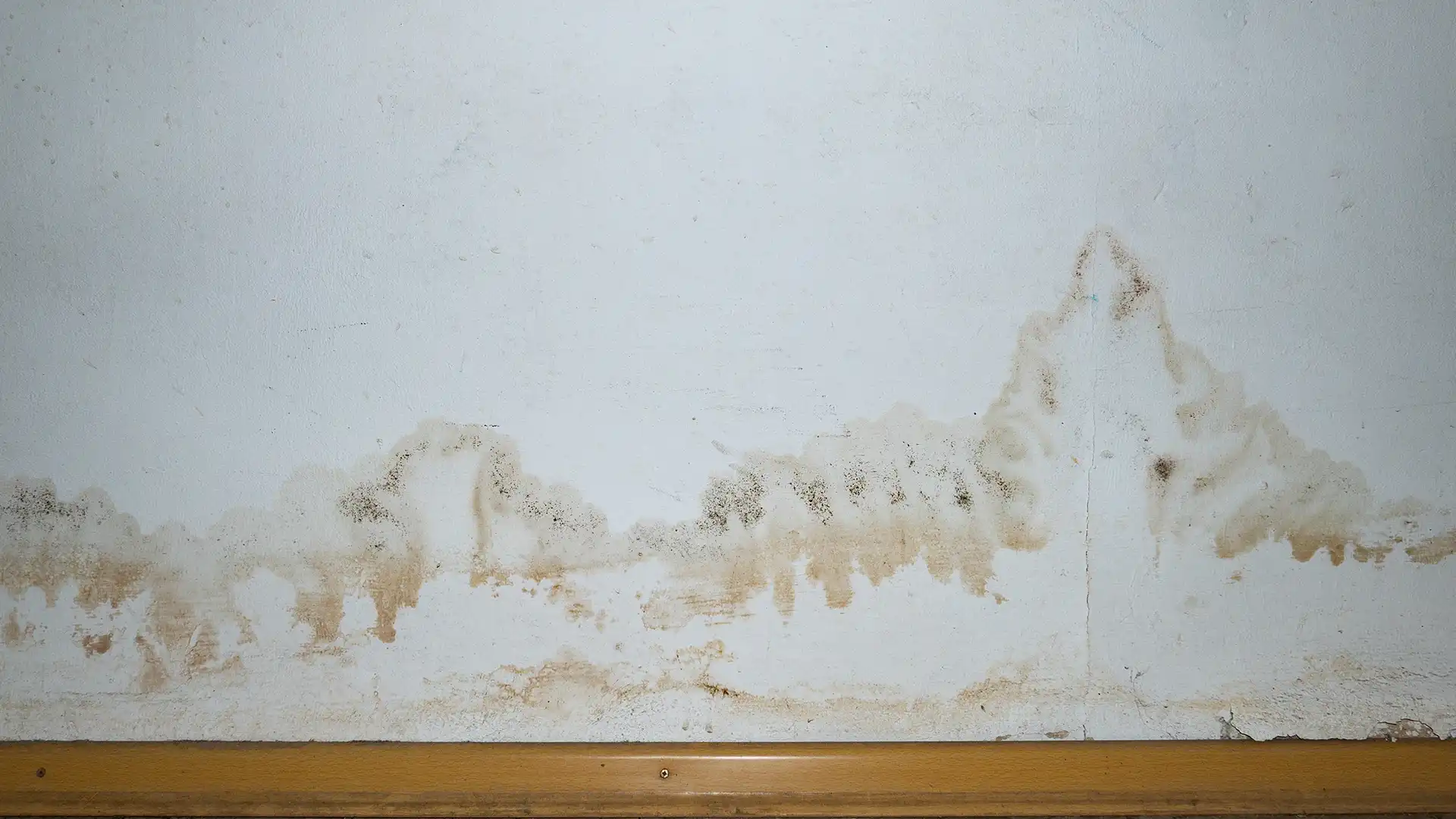
Most homeowners rarely visit their attic. Yet when mold takes hold up there, it can slowly damage your home’s structure, lower indoor air quality, and lead to costly repairs. If you’ve spotted dark staining on the underside of your roof decking or noticed a musty odor drifting through your upper floors, your attic may be harboring mold. The experts at We Restoration share the common causes of mold growth and solutions to restore your attic and protect your Maryland home.
Attics experience frequent temperature swings. Warm air rises from the living space below, and cold air settles along the roofline during colder months. When moisture enters the mix, it creates the perfect environment for mold to thrive. The most common causes of mold in attics include:
Your attic needs proper airflow to regulate temperature and humidity. Without intake vents (such as soffit vents) and exhaust vents (like ridge or gable vents), your attic traps warm, moist air. During winter, that trapped air condenses on the cold roof decking and in summer, excess heat and humidity compound the problem. Over time, repeated condensation can dampen wood surfaces and create a breeding ground for mold.
Cracked flashing, compromised seals around a vent pipe, or even one damaged roof shingle can allow water to seep into the attic. Even small leaks can soak insulation and wooden beams. Unlike an obvious ceiling leak, attic roof leaks often go unnoticed for months. By the time you see staining or detect an odor, mold may have already spread across the underside of the roof sheathing.
One of the most common (and preventable) causes of attic mold is the improper venting of exhaust fans. If your bathroom fan or dryer vents terminate in the attic rather than outside, it releases warm, moisture-laden air into an enclosed space. Every hot shower or load of laundry adds humidity, saturating the wood framing and insulation and fueling mold growth.
Damaged, old, or inadequate insulation can cause warm indoor air to escape into the attic. That air carries moisture, which condenses on colder surfaces. Proper insulation acts as a barrier, reducing temperature differences and limiting condensation.
Homeowners often discover attic mold during a roof inspection or home sale. However, you may notice warning signs sooner, such as:
If you suspect mold, avoid disturbing the area. Scraping or brushing visible growth releases spores into the air.
Eliminating attic mold requires addressing both the contamination and the water damage or moisture source.
Each situation is unique, and the best option is often to work with a certified mold remediation company. A trained restoration team will:
Remediation without correction leads to recurrence. Effective long-term solutions may include:
Routine roof inspections, proper ventilation, and immediate response to water damage also reduce the risk of mold growth. Early intervention limits structural damage, preserves indoor air quality, and prevents costly repairs.
If you suspect mold in your attic, contact We Restoration for prompt mold remediation services. We serve Rockville, MD, Washington, D.C., and homeowners throughout Montgomery County, offering professional remediation and targeted repairs. We can restore a clean, dry attic and protect your property for years to come.