We are currently experiencing temporary technical issues with our phone lines. Please contact us at (301) 310-6806.
We apologize for any inconvenience.
We apologize for any inconvenience.

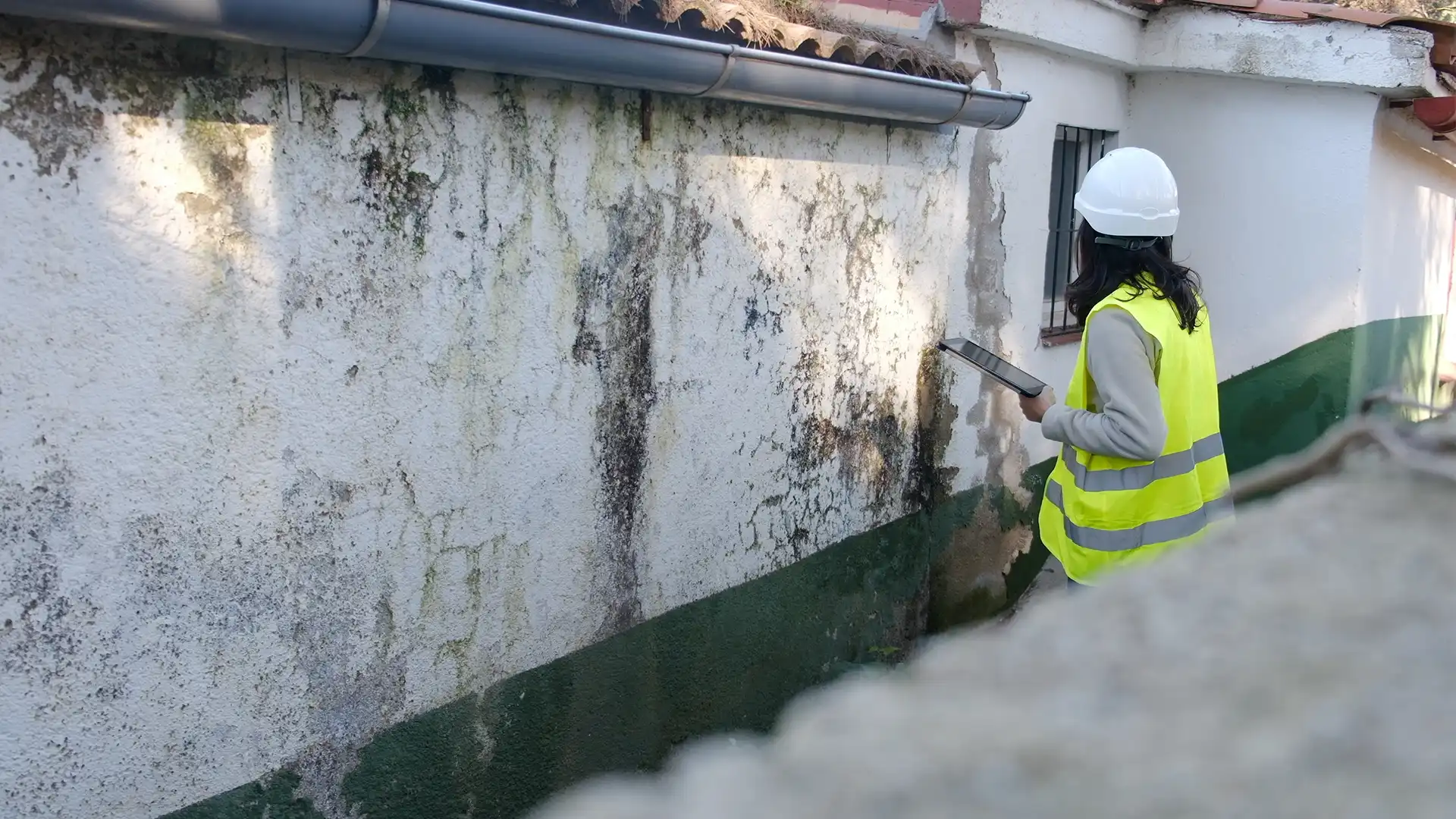
When moisture lingers inside a home, mold follows, and one of the most concerning types is toxic black mold. If you notice a musty smell in your basement, dark patches creeping along the drywall, or you’ve started waking up with headaches or a scratchy throat, these may be signs of mold growth in your home, and it’s important to act quickly. We Restoration is here to explain how to tell if you have toxic black mold in your Maryland home and how to address it.
Black mold (Stachybotrys chartarum) thrives in damp, humid environments. It spreads quickly through materials such as drywall, insulation, wood, and carpet. Left untreated, it can damage your home and pose serious health hazards. Watch out for common signs of black mold growth:
Black mold produces a strong, earthy, almost rotting smell. If a room smells damp even after cleaning or airing it out, moisture may be trapped behind walls, under flooring, or inside HVAC systems.
Trust that scent. Mold hides inside crawl spaces, behind cabinets, beneath sinks, and around leaky windows. If the odor lingers, you likely have an active moisture problem feeding mold growth.
Black mold typically appears as slimy, dark green or black spots. It may start small, then spread in irregular, blotchy patterns. As it grows, it can look fuzzy or layered. Check common problem areas:
Keep in mind that not all black-colored mold is Stachybotrys. Only proper testing confirms the exact species. Still, visible mold of any kind signals a serious issue that requires attention.
Black mold needs consistent moisture to thrive. If your home experienced flooding, roof leaks, burst pipes, or high humidity, you face a higher risk. Sometimes the damage looks minor, but mold can begin growing within 24 to 48 hours after water exposure. Over weeks or months, moisture seeps into porous materials, creating the perfect environment for mold colonies to form and spread.
Mold releases microscopic spores into the air. When you breathe them in, your body reacts. Toxic black mold can cause a range of physical symptoms, especially in children, older adults, and individuals with respiratory conditions. Common signs include:
If these symptoms improve when you leave the house but return when you come back, mold exposure could be the cause. Never ignore ongoing respiratory issues in a damp home. Your health matters just as much as the structure itself.
Mold often hides behind surfaces before it becomes visible. Bubbling paint, warped drywall, stained ceilings, or soft spots in walls indicate trapped moisture.
Press gently on suspicious areas. If the surface feels soft or crumbles, water damage may have weakened the material, and toxic black mold may be growing underneath.
Do not attempt to scrub mold yourself. Disturbing mold releases more spores into the air and can spread contamination throughout your home. Bleach also does not solve the root problem, especially when mold has penetrated porous materials.
Professional mold remediation addresses both the mold and the moisture source. The experts at We Restoration can isolate affected areas, safely remove contaminated materials, and restore clean air quality. We also identify the underlying cause, whether it’s a hidden leak, poor ventilation, or structural damage, so the issue does not return.
If you notice musty odors, dark growth, or signs of water damage, schedule a professional inspection with We Restoration. Our certified team offers air quality testing, mold removal, and water damage remediation services throughout Rockville, MD, Montgomery County, and Washington, D.C. We’ll help you restore your property, protect your health, and safeguard your home from further damage.