We are currently experiencing temporary technical issues with our phone lines. Please contact us at (301) 310-6806.
We apologize for any inconvenience.
We apologize for any inconvenience.

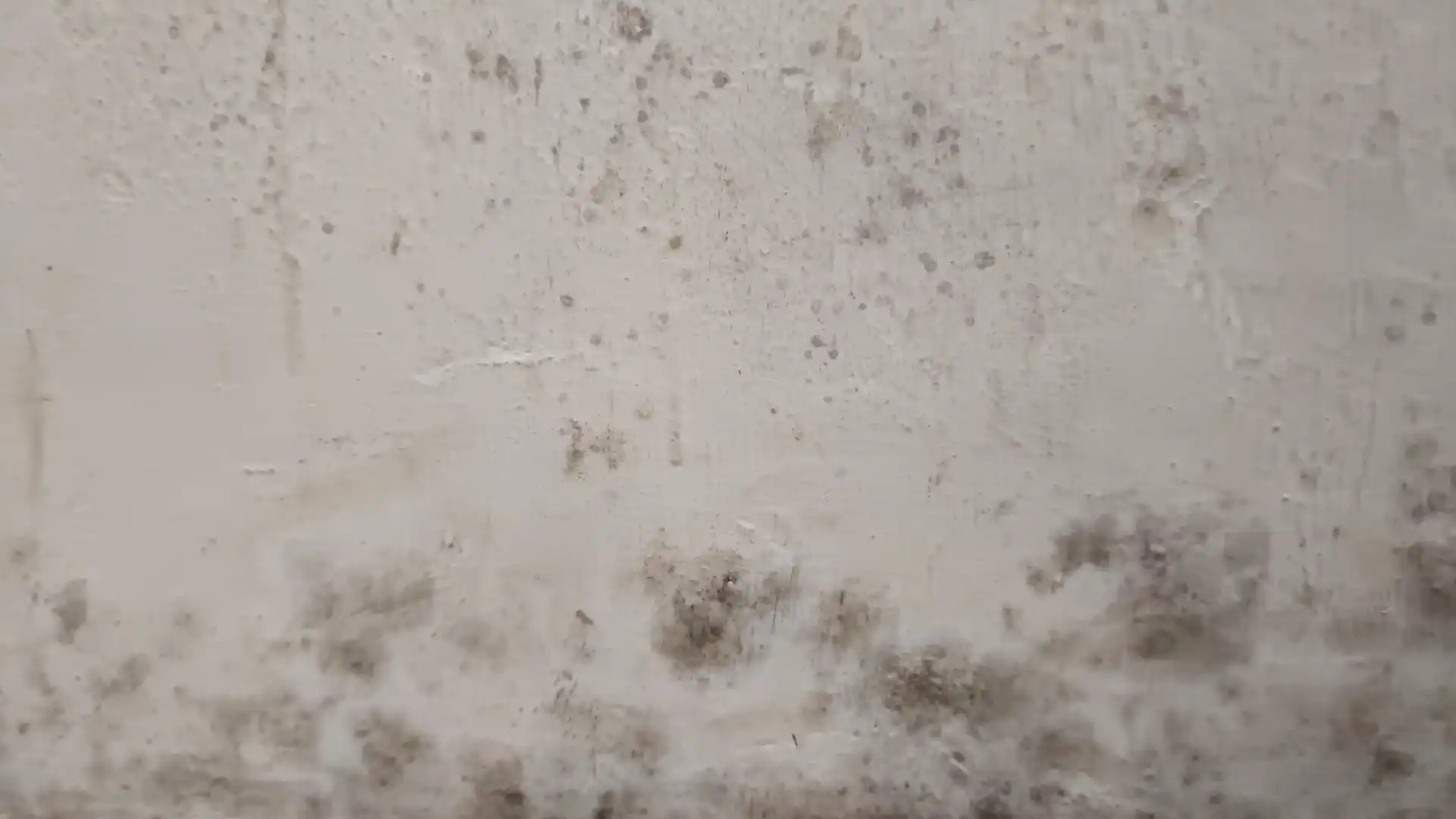
When water invades your home, the damage rarely stops at what you can see. Damp drywall, warped flooring, and stained ceilings are only part of the issue. Mold can grow quickly, and the timeline is shorter than most expect. Waiting even a day or two can magnify the problem's scope, requiring extensive mold removal and remediation. We Restoration explains how long it takes for water damage to cause mold and how you can address it in your Maryland home.
Mold spores already exist inside every home, inactive until they land on a moist surface with a food source. Drywall, wood, insulation, ceiling tiles, and even dust all provide organic material that feeds mold. When these materials remain damp, mold can quickly colonize.
Mold can grow within 24 to 48 hours of water exposure, and it doesn’t require standing water or dramatic flooding. A slow pipe leak behind a wall, a roof leak during a storm, or a damp carpet after a plumbing overflow can provide enough moisture to trigger growth. In humid climates or poorly ventilated spaces, the timeline can move even faster.
The first 24 hours after water damage are critical. During this period:
By the second day, mold spores can attach to damp surfaces and start forming small colonies. These colonies may not be visible, but they are developing beneath the surface.
After 72 hours, visible growth often appears as dark spots, fuzzy patches, or staining. A musty odor may develop as mold releases microbial volatile organic compounds (MVOCs) into the air. The longer materials stay wet, the deeper mold roots itself into structural components.
Not every water damage scenario progresses at the same rate. Several factors determine how quickly mold develops:
After water damage, watch for warning signs such as:
These indicators often mean moisture is trapped somewhere in the structure.
Homeowners sometimes assume that the problem is resolved once the surface looks dry. Unfortunately, moisture often lingers inside walls, under baseboards, and beneath flooring. If water damage goes unaddressed, it can worsen mold spread, weaken structural wood, degrade indoor air quality, and make remediation more invasive and costly.
Time directly affects the scale of restoration. A small leak, if handled immediately, may require only minor repairs. The same leak, left untreated for several days, could require drywall removal, insulation replacement, and full mold remediation.
Speed protects your home. Calling in professional help within the first 24 hours after water damage dramatically reduces the likelihood of mold colonization, and acting within the first 48 hours can mean the difference between simple drying and full remediation. Effective mitigation requires:
We Restoration responds quickly to assist with water damage emergencies. Our specialists extract water, remove compromised materials, and thoroughly dry affected areas to prevent mold growth. If mold is present, we contain and remediate it safely.
If your home experiences a leak, flood, or burst pipe, contact We Restoration right away to protect your property, health, and peace of mind. We offer efficient mold removal and water damage remediation in Rockville, MD, Washington, DC, and throughout Montgomery County.