We are currently experiencing temporary technical issues with our phone lines. Please contact us at (301) 310-6806.
We apologize for any inconvenience.
We apologize for any inconvenience.

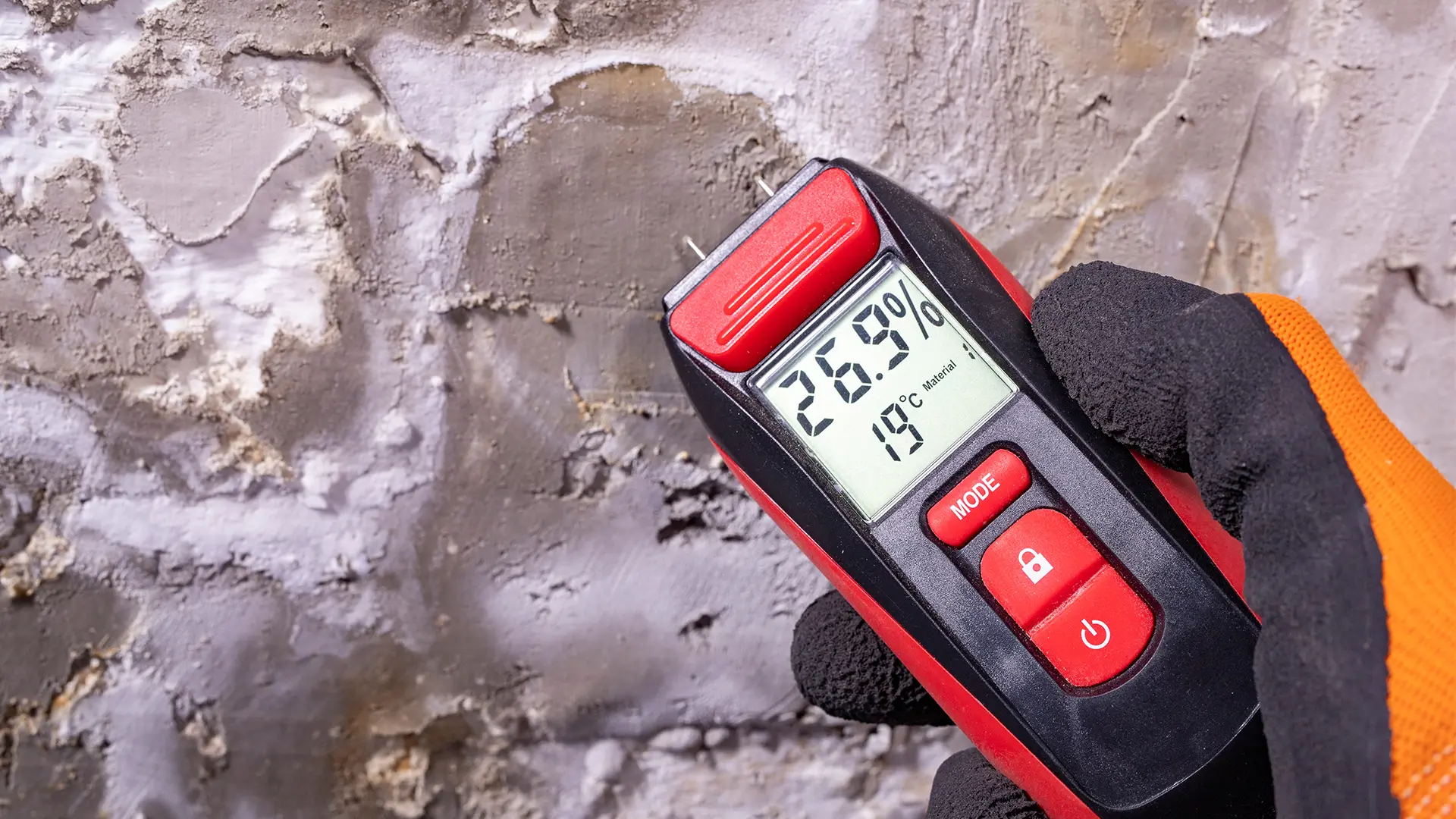
Mold problems can be stressful for homeowners and business owners alike, especially when it’s unclear how extensive the issue may be. In areas like Rockville, Maryland, Montgomery County, and Washington D.C., mold often develops after water damage, leaks, or prolonged humidity. One of the most common questions property owners ask is whether professional mold testing is necessary before mold remediation begins. Understanding when testing is helpful—and when it may not be required—can help you make informed decisions.
Professional mold testing is a process used to identify the presence, type, and concentration of mold spores in a property. Unlike DIY test kits, which can be unreliable or difficult to interpret, professional testing uses specialized equipment and trained expertise. Common methods include:
The goal is to gather accurate information that helps guide remediation decisions.
There are situations where professional mold testing is especially valuable. If you notice persistent musty odors, experience allergy-like symptoms, or suspect mold but can’t see it, testing can help determine whether hidden mold is present. Testing is also useful for large or recurring mold problems, where understanding the scope of contamination is critical. In addition, pre- and post-remediation testing may be requested to verify conditions before work begins or to confirm that remediation was effective.
In some cases, mold remediation can move forward without prior testing. When visible mold is present and the moisture source is clear—such as after a leak or flood—professionals can often identify the affected materials and begin remediation right away. In these situations, the focus is on safely removing mold, correcting moisture issues, and preventing future growth. Even without testing, addressing the underlying cause of moisture remains essential to long-term success.
Professional mold testing offers several benefits when used appropriately. It helps identify mold types and spore levels, which can support a targeted remediation approach. Testing can also provide documentation that may be useful for insurance claims, property transactions, or tenant concerns. For many homeowners and business owners, testing offers peace of mind by confirming whether mold is present and clarifying the severity of the issue.
Mold doesn’t develop on its own; it needs moisture to survive. Water damage from leaks, flooding, or persistent humidity provides the fuel that allows mold colonies to spread inside a property. In Montgomery County and throughout the Washington, D.C. area, frequent storms and seasonal moisture can accelerate this process if water issues aren’t addressed quickly. That’s why effective mold remediation starts with resolving water damage—locating hidden moisture, drying affected materials, and correcting the conditions that allowed water intrusion in the first place. Without proper water mitigation, mold is likely to return, even after cleanup efforts are complete.
If you’re unsure whether professional mold testing or remediation is needed, expert guidance can help you move forward with confidence. We Restoration provides comprehensive mold testing, mold remediation, and water damage restoration services throughout Rockville, MD, Montgomery County, and Washington D.C. Our certified team evaluates each situation carefully and recommends solutions tailored to your property’s needs. Reach out today to request a free quote.