We are currently experiencing temporary technical issues with our phone lines. Please contact us at (301) 310-6806.
We apologize for any inconvenience.
We apologize for any inconvenience.

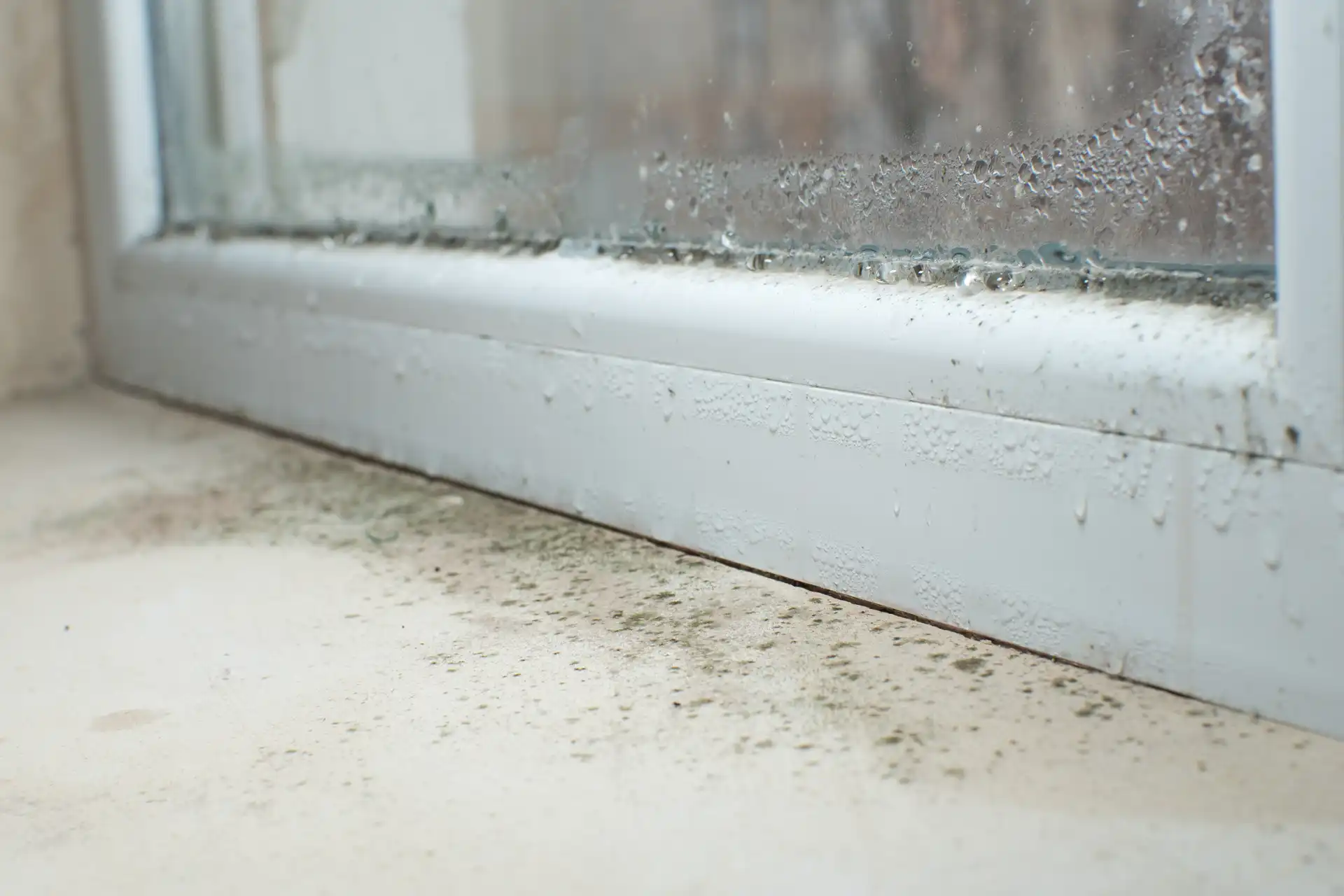
Discovering mold in your Washington, D.C., home can raise plenty of questions, especially if professional remediation is needed. One of the first concerns many homeowners have is whether they can continue living in the house while the work is underway.
The answer depends on the situation. Some mold remediation projects can be completed while residents remain safely in other parts of the home. For larger or more complex projects, temporary relocation may be the better choice. At We Restoration, every mold problem is evaluated individually so homeowners can understand what to expect before remediation begins.
For a localized mold problem, it may be possible to remain in your home while professionals work. Proper containment is an important part of making this possible.
We Restoration uses methods such as containment barriers, negative air pressure, and HEPA filtration to help prevent mold spores and contaminated dust from spreading beyond the work area. These practices allow the remediation team to isolate affected spaces while protecting surrounding areas.
However, homeowners should never assume that staying home is appropriate simply because the visible mold appears limited. Mold can extend behind drywall, under flooring, into insulation, or through other concealed areas.
The EPA notes that temporary relocation may be appropriate for some remediation projects, particularly when contamination is extensive. The decision should take into account the affected area, potential exposure, health considerations, and the disruption caused by the work.
Your remediation professional may recommend temporarily staying elsewhere when:
Ultimately, the safest choice depends on the conditions inside your particular home.
Mold remediation involves more than wiping visible growth from a surface. Disturbing mold-contaminated materials can release particles into the surrounding air, which makes careful containment essential.
Containment separates the work area from unaffected parts of the property. Negative air pressure can further help keep contaminated air from traveling into adjacent spaces, while HEPA filtration captures airborne particles during remediation.
We Restoration follows IICRC S520 standards for mold remediation and focuses on identifying moisture problems, containing affected areas, filtering airborne particles, removing materials that cannot be restored, and thoroughly cleaning the space.
Finishing the physical removal process does not necessarily mean the affected room should immediately return to normal use. The moisture problem that caused the mold must also be corrected, and the remediated area should be free of visible mold and mold-related odors. The EPA also identifies successful reoccupation without mold-related complaints as one consideration when evaluating whether cleanup is complete.
We Restoration can also incorporate independent post-remediation testing to help verify results after the work has been completed.
You should not have to guess whether it is safe or practical to stay in your home during mold remediation. We Restoration provides professional inspections, clear guidance, and remediation solutions tailored to the conditions of your property.
Reach out to the experts at We Restoration today for your free estimate. We provide mold remediation services throughout Washington DC, Rockville, MD, and nearby communities in Maryland or Montgomery County.