We are currently experiencing temporary technical issues with our phone lines. Please contact us at (301) 310-6806.
We apologize for any inconvenience.
We apologize for any inconvenience.

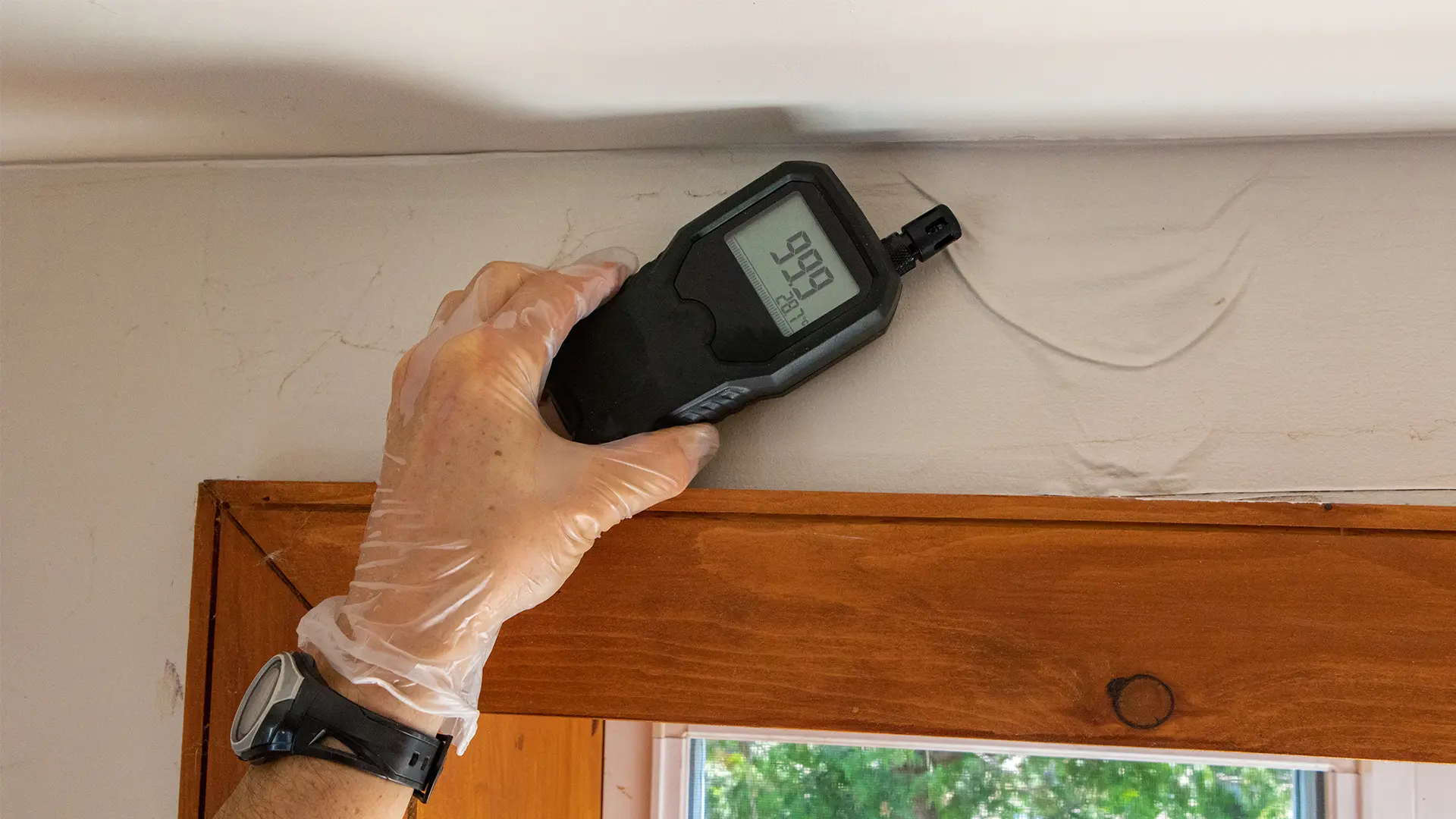
Mold isn’t always easy to see, but it can still affect indoor air quality and the overall comfort of your home. Mold often develops after water damage, leaks, or prolonged humidity. Understanding air quality testing for mold and what to expect from the process can help homeowners in Rockville, Montgomery County, and Washington D.C. make informed decisions when mold is suspected.
Air quality testing for mold is often recommended when there are signs of a potential problem but no visible mold is present. Persistent musty odors, unexplained allergy-like symptoms, or recent water damage are common reasons to schedule testing. Mold frequently grows behind walls, under flooring, or inside HVAC systems, where it can release spores into the air without obvious visual clues. Testing helps confirm whether mold spores are present and at what levels.
The process typically begins with a detailed visual inspection of the property. Professionals look for moisture sources, previous water damage, and areas where mold is most likely to develop. Air samples are then collected from multiple areas of the home, including both suspected problem zones and unaffected spaces for comparison. In some cases, surface samples may also be taken from visible discoloration or materials that show signs of moisture exposure.
These samples are gathered using specialized equipment designed to capture airborne mold spores without disrupting the environment. The testing process is non-invasive and can usually be completed quickly, making it convenient for homeowners and businesses alike.
Once samples are analyzed, results provide information about the types and concentrations of mold spores present in the air. Since mold spores naturally exist outdoors, indoor results are compared to outdoor air samples to determine whether elevated levels are present inside the home. Certain mold types or higher-than-normal spore counts may indicate hidden growth that requires attention.
Professional interpretation is essential, as raw data alone does not always tell the full story. Factors such as ventilation, humidity levels, and recent weather conditions all play a role in understanding what the results mean for your property.
If air quality testing confirms mold concerns, the next step is identifying the source of moisture that allowed mold to grow. Mold removal without correcting moisture issues can lead to recurring problems. A professional remediation plan may include containment, removal of affected materials, thorough cleaning, and steps to help prevent future growth.
Addressing both the mold and the underlying cause is critical to improving indoor air quality and protecting the structure of your home.
Water damage is one of the most common contributors to mold-related air quality issues. Leaks, basement flooding, and excess humidity create ideal conditions for mold to thrive. In Montgomery County and the Washington D.C. area, seasonal storms and high humidity make timely water damage mitigation especially important. Prompt drying and professional restoration help reduce the risk of mold development and recurring air quality concerns.
If you’re concerned about mold or indoor air quality, professional help can provide clarity and peace of mind. We Restoration offers expert air quality testing, mold removal, and remediation services throughout Rockville, MD, Montgomery County, and Washington D.C. Our certified team identifies moisture sources, removes mold safely, and helps prevent future issues.
Contact We Restoration today to request a free mold removal and remediation estimate and take the first step toward a healthier indoor environment.